admin
admin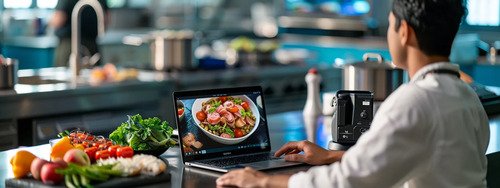
Have you ever dreamt of donning a chef’s hat and mastering the art of cuisine from your own kitchen? With the advances in online education, the dream of becoming a culinary professional is more accessible than ever before. Online culinary programs offer a blend of convenience, flexibility, and comprehensive learning that caters to aspiring chefs with busy lives or distant from traditional culinary schools. These virtual classrooms are opening doors for anyone with a passion for cooking and a desire for a career in the culinary arts. Keep reading to discover how these innovative programs can transform your culinary passion into a thriving profession.
Exploring the World of Online Culinary Programs
The rise of online education has extended to the culinary realm, providing a unique platform for aspiring chefs and food enthusiasts. These programs offer the same rigorous curriculum as their on-campus counterparts, emphasizing foundational cooking techniques, culinary theory, and hands-on experience. This virtual approach to culinary education allows for a more individualized pace, making it suitable for students at different levels of proficiency and with different lifestyles.
Coursework in an online culinary program typically covers a wide spectrum of subjects, including food safety, nutrition, menu planning, and cost control. Students engage with these topics through a blend of video demonstrations, interactive media, and live virtual classes. Furthermore, most programs incorporate practical assignments that students complete in their own kitchens, nurturing the skills needed for a culinary career.
Enrolling in an online culinary school can be the first step towards a comprehensive education in food preparation and management. Many programs also facilitate networking opportunities, connecting students with industry professionals and alumni. This community aspect ensures that remote learning doesn’t compromise one of the essential aspects of culinary education—the connection to the culinary world.
Finding the right program involves considering factors such as accreditation, faculty expertise, and the balance between theoretical knowledge and practical application. With the growing number of online culinary schools, students have the luxury of choice but also face the challenge of discerning which program aligns best with their goals and learning style.
Career Paths Unlocked by Online Culinary Education
An online culinary education provides more than just an understanding of cooking techniques; it opens the door to a diverse field of career opportunities. Graduates can step into positions as chefs, sous chefs, pastry chefs, or food service managers in restaurants, hotels, and resorts. These foundational programs equip students with the skills to lead a kitchen, develop menus, and manage food costs.
For those with entrepreneurial ambitions, online culinary programs offer the insights required to start a food business, such as a catering company or a bakery. The curriculum often includes elements of business management, food safety certification, and marketing, providing a comprehensive toolkit for running a successful venture.
The rise of food-related media has also created demand for culinary professionals in television and online content creation. Online culinary school graduates with a flair for presentation and communication can find niches as hosts, producers, or content creators within this vibrant sector, capitalizing on the interplay between gastronomy and entertainment.
Choosing the Right Online Culinary Program for Your Aspirations
Selecting an online culinary program is a critical decision that should align with one’s career goals and learning preferences. Prospective students should look for accredited programs with a reputation for excellence. This will ensure that the education you receive is respected by industry professionals and provides a strong foundation for your career.
It’s important to examine the curriculum and faculty experience of potential programs. An ideal online culinary school should offer a diverse curriculum that covers both practical and theoretical aspects of the culinary arts, and feature experienced instructors with real-world industry experience. Practical learning components, such as externships or in-person labs, if available, can greatly enhance the learning experience.
It’s wise to assess the program’s technological requirements and the resources provided. Ensuring that the online platform is user-friendly and that technical support is readily available will mitigate potential challenges and maximize the benefits of online learning. By carefully considering these factors, students can choose a program that not only educates but also inspires and empowers them to reach their culinary dreams.
The evolution of online culinary programs has revolutionized the way we approach professional culinary education. These programs extend the reach of culinary arts to a broader audience, combining the rigors of traditional instruction with the innovation of modern technology. Whether seeking to start a new career, hone existing skills, or explore the vast culinary landscape, online culinary education offers a flexible and comprehensive path to professional and personal enrichment.